
Casinos are often seen as bastions of wealth, glittering with lights and the sounds of slot machines, but the reality is that they operate on a precarious balance. While they can generate enormous profits, they are also vulnerable to a variety of factors that can lead to bankruptcy. Understanding how easily a casino can go bankrupt requires an examination of the industry dynamics, financial management, and external pressures.
One of the primary reasons a casino can face bankruptcy is its dependency on the gambling habits of patrons. Casinos thrive on the principle of the house edge, which ensures that, over time, the casino will win more than it pays out. However, if a casino experiences a significant downturn in patronage, whether due to economic recession, increased competition, or shifts in consumer behavior, it can quickly find itself in financial trouble. For instance, during the 2008 financial crisis, many casinos in Las Vegas reported a sharp decline in visitors, leading to substantial revenue losses and, in some cases, bankruptcy.
Additionally, casinos often operate with high overhead costs, including staffing, maintenance, and entertainment expenses. The lavish environment that attracts customers also requires significant investment. If a casino fails to manage its operational costs effectively, it can quickly erode profit margins. For example, a casino that invests heavily in a new entertainment venue may find itself in a precarious position if the expected increase in foot traffic does not materialize.
Moreover, the gambling industry is highly regulated, and compliance with various laws can impose additional financial burdens. Fines for regulatory violations can be steep, and the costs associated with maintaining licenses can be substantial. If a casino finds itself embroiled in legal issues or fails to comply with regulations, it can face crippling financial penalties that threaten its survival.
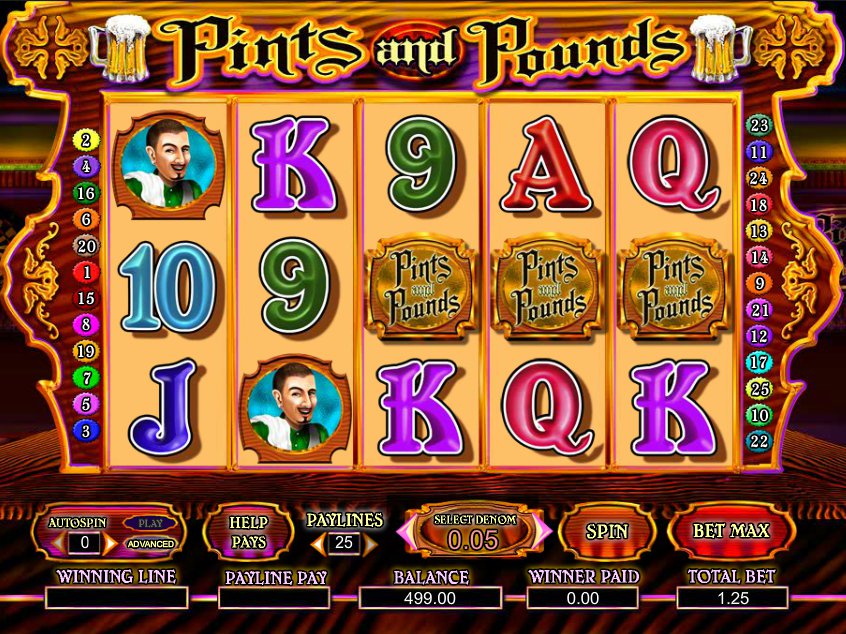
Another critical factor is the impact of online gambling. The rise of online casinos has shifted the landscape of the gambling industry, drawing customers away from traditional brick-and-mortar establishments. As more players opt for the convenience of online betting, land-based casinos may struggle to maintain their customer base, aztec-smash-slot.com leading to reduced revenues. This trend has already resulted in several casinos closing their doors, unable to compete with the allure of online gambling platforms.
In addition to these factors, the management of a casino plays a crucial role in its financial health. Poor decision-making, such as over-leveraging or failing to adapt to market changes, can lead to financial ruin. A casino that takes on excessive debt to fund expansions or renovations without a clear strategy for increasing revenue may find itself in a downward spiral.
In conclusion, while casinos may appear to be thriving enterprises, they are susceptible to a multitude of risks that can lead to bankruptcy. Economic downturns, high operational costs, regulatory challenges, competition from online platforms, and poor management decisions all contribute to the fragile nature of a casino’s financial viability. The allure of gambling may attract patrons, but it is the careful balancing of these factors that ultimately determines whether a casino can thrive or face insolvency. The reality is that the glitz and glamour can quickly fade, leaving behind a cautionary tale of financial mismanagement and unforeseen challenges.